Complete Spine And Orthopaedic Care
Call Us: +91 7208005190 / 91 / 92
Complete Spine And Orthopaedic Care
Call Us: +91 7208005190 / 91 / 92
Shoulder pain can limit your daily activities and cause discomfort. At Alpha Ortho, we provide expert shoulder treatment in Mumbai with advanced care and personalized plans. Our specialists treat conditions like frozen shoulder, rotator cuff injuries, and arthritis using non-surgical and minimally invasive techniques. Book your consultation today for fast relief.
Shoulder pain is a common condition affecting people of all age groups — from young adults to the elderly. It occurs when there is an issue in the shoulder joint, muscles, tendons, or ligaments, impacting movement and causing discomfort.
In most cases, shoulder pain is caused by overuse: repetitive arm movements, poor posture, lifting heavy objects incorrectly, or sleeping in awkward positions. However, it can also indicate underlying conditions that may need expert medical attention.
Shoulder pain can range from a mild, constant ache to a sharp, sudden pain. It may stay in the shoulder or radiate to the neck, arm, or upper back — often accompanied by stiffness, swelling, weakness, or limited range of motion.
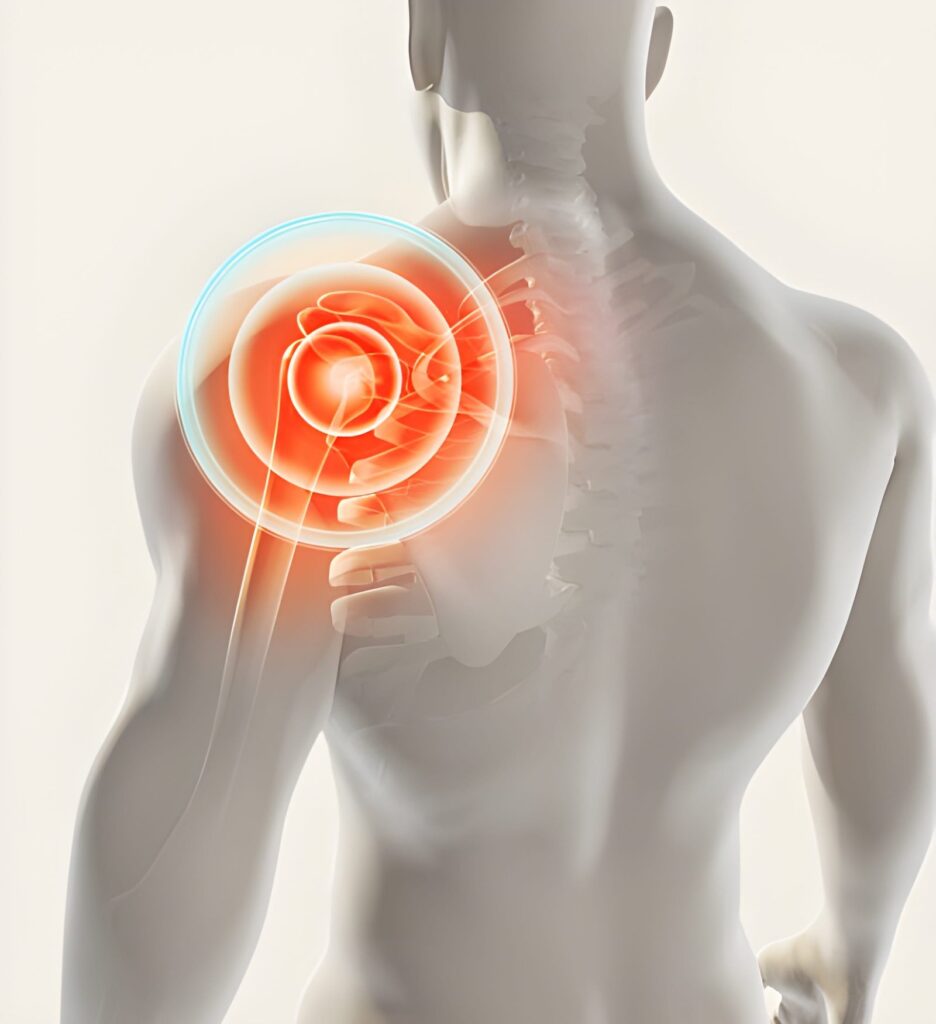
Our orthopedic doctors carefully examine the shoulder, neck, and upper arm to understand the cause of your pain. Movement, muscle strength, and joint function are checked during the evaluation. A shoulder pain doctor uses these findings to plan the right shoulder pain treatment and help you recover comfortably and safely.
X-rays help identify structural causes of shoulder pain such as fractures, arthritis, dislocations, calcifications, and joint degeneration. They also reveal issues affecting the shoulder bones and alignment. A shoulder pain doctor may recommend X-rays as the first step in diagnosing chronic or severe shoulder pain and planning the right shoulder pain treatment.
MRI and CT scans provide highly detailed images of shoulder joints, muscles, tendons, ligaments, and rotator cuff injuries. These scans help a shoulder pain surgeon accurately diagnose frozen shoulder, tendon tears, nerve compression, and soft tissue damage that may not appear on X-rays, ensuring effective shoulder pain treatment.
Blood tests help determine whether shoulder pain is caused by infections, inflammation, arthritis, or autoimmune conditions. Elevated inflammatory markers and other abnormal results guide specialists in identifying the root cause of pain. These tests support accurate diagnosis and help your shoulder pain doctor choose the most suitable shoulder pain treatment plan.
Also known as the NCV test, this procedure checks how well electrical signals travel through the nerves around the shoulder and neck. It helps detect nerve compression, muscle weakness, or nerve damage linked to chronic shoulder pain. A shoulder pain surgeon may recommend this test for accurate diagnosis before advanced shoulder pain treatment.
Untreated shoulder pain can worsen over time. Early diagnosis leads to faster, more effective treatment.
We always explore the least-invasive options first. Surgery is recommended only when conservative approaches fail or there is significant nerve compression.
Pain relievers like Paracetamol help manage mild to moderate shoulder pain effectively. They reduce discomfort and improve daily movement. These medicines are commonly used in early stages of shoulder pain treatment to provide quick relief and improve patient comfort without strong side effects when taken as prescribed.
NSAIDs such as Ibuprofen, Diclofenac, and Naproxen help reduce shoulder pain, swelling, and inflammation. They are widely used in orthopedic treatment to control acute pain and improve joint mobility. These medicines are effective for inflammatory shoulder conditions and provide faster functional recovery.
Muscle relaxants like Tolperisone and Chlorzoxazone help reduce muscle spasms and stiffness in shoulder pain patients. They improve flexibility and ease movement by relaxing tight muscles around the shoulder joint. These medications are often combined with physiotherapy for better and faster recovery results.
Topical gels and sprays such as Diclofenac gel provide direct pain relief at the affected shoulder area. They reduce local inflammation with minimal side effects compared to oral medicines. These are useful for mild pain, stiffness, and supportive care along with other shoulder pain treatments.
Stretching exercises help improve shoulder range of motion, reduce stiffness, and restore flexibility. Gentle guided movements loosen tight muscles and improve joint mobility. These exercises are an essential part of shoulder pain treatment and support faster recovery without surgery or strong medications.
Strengthening exercises focus on rotator cuff and shoulder muscles to improve joint stability and function. They help prevent re-injury, support proper movement, and rebuild muscle strength. Regular practice improves long-term shoulder health and is important in rehabilitation for chronic shoulder pain.
Posture correction helps improve neck and shoulder alignment, reducing strain and recurring pain. It includes ergonomic training, sitting posture correction, and guided exercises. Proper posture reduces stress on shoulder joints and supports long-term recovery from shoulder pain and stiffness.
Manual therapy includes hands-on techniques by physiotherapists to reduce pain and improve mobility. It involves joint mobilization and soft tissue release to ease stiffness. This therapy enhances blood flow, promotes healing, and restores smooth shoulder movement in pain-affected patients.
Steroid injections help reduce shoulder pain, swelling, and inflammation caused by arthritis, tendon injuries, or frozen shoulder. These injections provide targeted pain relief directly into the affected area and improve joint mobility. They are commonly recommended when medications and physiotherapy do not provide sufficient relief.
Nerve block treatment helps relieve chronic shoulder pain by interrupting pain signals from affected nerves. This minimally invasive procedure reduces discomfort, improves shoulder movement, and supports faster recovery. It is often recommended for severe pain that does not improve with routine shoulder pain treatment methods.
PRP therapy for shoulder pain uses platelet-rich plasma prepared from the patient’s blood to support natural tissue healing. It helps reduce inflammation, improve recovery, and promote repair of damaged tendons and soft tissues. PRP treatment is commonly used for chronic shoulder injuries and sports-related conditions.
Minimally invasive shoulder procedures use advanced techniques to treat shoulder pain with smaller incisions and faster recovery. These treatments help reduce tissue damage, minimize pain, and improve joint function. They are commonly recommended for tendon injuries, frozen shoulder, and chronic shoulder joint problems.
Rotator cuff repair surgery is performed to treat torn shoulder tendons causing pain, weakness, and restricted movement. The procedure helps restore tendon function, improve shoulder strength, and reduce discomfort. It is commonly recommended for severe tendon injuries that do not improve with conservative treatment.
Rotator cuff repair surgery is performed to treat torn shoulder tendons causing pain, weakness, and restricted movement. The procedure helps restore tendon function, improve shoulder strength, and reduce discomfort. It is commonly recommended for severe tendon injuries that do not improve with conservative treatment.
Frozen shoulder release surgery helps improve shoulder mobility in patients with severe stiffness and restricted movement. The procedure removes tight tissue around the shoulder joint, reducing pain and improving flexibility. It is usually recommended when physiotherapy and medications fail to provide adequate improvement.
Shoulder replacement surgery is recommended for advanced arthritis and severe joint damage causing chronic shoulder pain. The damaged joint surfaces are replaced with artificial components to restore smooth movement and reduce discomfort. This procedure improves shoulder function and enhances quality of life in severe cases.
Mobility exercises help restore normal shoulder movement after pain or injury. These guided movements reduce stiffness, improve flexibility, and gradually bring back full range of motion. They are an important part of shoulder pain rehabilitation for safe and effective recovery.
Strength training focuses on rebuilding shoulder and rotator cuff muscles. It improves joint stability, restores muscle power, and helps prevent future injuries. This phase is essential in shoulder pain rehabilitation for long-term strength and better shoulder function.
Functional training helps patients return to daily activities like lifting, reaching, and working. It improves coordination, balance, and real-life movement patterns. This ensures smooth transition from recovery to normal lifestyle after shoulder pain treatment.
Pain prevention care includes posture correction, home exercise guidance, and lifestyle modifications. It helps avoid recurrence of shoulder pain and supports long-term joint health. This ensures complete and lasting recovery after rehabilitation.
Shoulder pain can affect anyone — including teenagers and children.
Understanding these risk factors can help you take preventive action before chronic pain sets in.
Back pain becomes significantly more common as we age, with the peak incidence between 30–40 years. Disc degeneration, loss of bone density, and reduced muscle elasticity all contribute to age-related spinal changes that predispose individuals to back pain.
Weak, underused abdominal and back muscles fail to adequately support the spine. Prolonged sitting — especially with poor posture — increases disc pressure by up to 40% compared to standing. IT professionals and desk workers are particularly at risk.
Every extra kilogram of body weight places approximately 4 kg of additional load on the lumbar spine. This accelerates disc degeneration, increases facet joint stress, and strains back muscles. Weight management is an integral part of our back pain prevention programme.
Bending at the waist rather than squatting with your legs when lifting heavy objects is a leading cause of acute disc herniation and muscle strain. Warehouse workers, movers, and even parents lifting children frequently suffer from this preventable cause of back injury.
Smokers face a significantly elevated risk of back pain for multiple reasons: chronic coughing strains discs and muscles; nicotine reduces blood flow to spinal discs (which have no direct blood supply); and smoking accelerates osteoporosis by inhibiting calcium absorption — all contributing to disc degeneration.
Several systemic conditions predispose individuals to back pain: osteoporosis causes vertebral compression fractures; rheumatoid and psoriatic arthritis inflame spinal joints; certain cancers metastasise to the spine; and spinal infections like TB can cause vertebral destruction if left untreated.
Inadequate screen height, non-adjustable chairs, missing lumbar support, and excessive screen time are endemic in Mumbai’s corporate culture. These workplace factors cause cumulative microtrauma to spinal structures — often manifesting as chronic back and neck pain in professionals under 35.
With increasing age, shoulder joints naturally start losing flexibility and strength. Wear and tear in cartilage and tendons makes movement difficult. This gradual degeneration increases stiffness, pain, and risk of shoulder injuries, especially in people above middle age group over time.
Sitting for long hours with poor posture reduces shoulder and upper back muscle activity. This leads to weakness, stiffness, and reduced joint mobility. Over time, lack of movement increases pressure on shoulder structures, making them more prone to pain, strain, and long-term discomfort.
Extra body weight increases overall stress on muscles and joints, affecting posture and balance. It indirectly adds pressure on the shoulder region during daily tasks. This added load can lead to faster muscle fatigue, reduced mobility, and higher chances of shoulder pain or discomfort.
Lifting heavy objects using wrong posture, especially bending from the waist instead of using legs, puts sudden strain on shoulder muscles and tendons. This can cause acute injury, muscle pull, or inflammation. Repeated mistakes may lead to chronic shoulder pain over time.
Continuous repetitive movements like overhead work, gym exercises, or sports activities can overuse shoulder muscles and tendons. This repeated stress may cause inflammation, reduced strength, and irritation in the joint, gradually increasing the risk of long-term shoulder pain problems.
Tear or inflammation of shoulder muscles and tendons causing pain and weakness
Stiffness and severe pain leading to restricted shoulder movement
Tendon compression during shoulder movement causing pain and irritation
Degeneration of shoulder joint cartilage leading to pain and reduced mobility.
Joint displacement due to injury causing instability and severe pain.
Narrowing of the spinal canal causing nerve compression
Abnormal lateral curvature of the spine
Cervical pain from disc, posture, or nerve issues
Lumbar pain from muscle strain or spinal causes
Injury to cartilage ring of shoulder joint causing pain, clicking, and instability
Inflammation of fluid-filled sac causing pain and swelling in the shoulder
Inflammation of shoulder tendons due to overuse or repetitive movements
Dahisar · Borivali · Kandivali · Vile Parle · Panvel · Vashi · Thane · Dombivli
Call, WhatsApp, or fill our online form. Our team confirms your appointment within 30 minutes. Same-day and next-day slots available for urgent cases. We serve patients across Kandivali, Vile Parle, Vashi, Dombivli, Panvel, and all of Mumbai.
Your specialist performs a detailed clinical examination followed by appropriate imaging — X-ray, MRI, or CT scan — and neurological tests if needed. We identify the exact anatomical cause of your pain before recommending any treatment.
Your surgeon explains the diagnosis in plain language and presents all treatment options — from conservative management to surgery — with honest guidance on expected outcomes. You make an informed decision at your own pace. No pressure, ever.
Whether physiotherapy, spinal injections, or surgery — your treatment is delivered at our clinic by specialists using the latest evidence-based techniques and equipment. Our non-surgical-first philosophy means most patients avoid the operating theatre entirely.
We don't stop at treatment. Comprehensive rehabilitation, posture correction coaching, ergonomic advice, and scheduled follow-up consultations ensure your back remains healthy long after your treatment concludes. Our goal is your permanent, lasting relief.
Expert shoulder care is now available across all corners of Mumbai and Navi Mumbai. Get accurate diagnosis, personalized therapy, and long-lasting relief right in your neighborhood.
Kandivali
Expert back pain & spine care serving Kandivali, Borivali, and surrounding areas. Easily accessible from S.V. Road and Link Road.
Vile Parle
Conveniently located for patients from Vile Parle, Andheri, Juhu, Santacruz, and nearby suburbs.
Vashi
Our Navi Mumbai centre serving Vashi, Nerul, Belapur, Kharghar, and the wider Navi Mumbai area for complete spine care.
Dombivli
Bringing specialised back pain diagnosis and treatment to Dombivli, Kalyan, and Thane residents without travelling far.
Panvel
Serving Panvel, Khopoli, Rasayani, and New Panvel patients with the same expert care available in central Mumbai.
Also serving: Andheri West · Andheri East · Vasai · Thane · Chembur · Dahisar · Charni Road
Our super-specialist shoulder surgeons and consultants bring decades of combined experience, international training, and a patient-first approach to every case.
An expert shoulder pain doctor specializing in arthroscopic surgery and injury rehabilitation, Dr. Anmol Mittal focuses on restoring movement with precise and patient-centered treatment. His approach prioritizes long-term recovery, pain reduction, and helping patients regain strength, stability, and confidence in daily life.
A skilled shoulder pain doctor specializing in shoulder disorders and minimally invasive procedures, Dr. Dhirav Shah provides advanced treatment plans tailored to each patient’s condition. He focuses on accurate diagnosis, faster recovery, reduced pain, and helping patients return to normal activities comfortably.
Over 10,000 patients across Mumbai have trusted Alpha Ortho Clinic with their shoulder health. Here’s what some of them say.
“I had suffered from lower back pain and sciatica for nearly 3 years, visiting multiple doctors with no lasting relief. After one consultation at One Spine, the doctor immediately identified a disc herniation pressing on my sciatic nerve. Two months of physiotherapy and one targeted injection later — I’m completely pain-free.”
“I was told by another hospital that I needed immediate spinal fusion surgery. I came to One Spine for a second opinion — thankfully. Dr. Raut reviewed my MRI and recommended endoscopic surgery instead. I was walking the very next day and back to work in 10 days. The difference was unbelievable.”
“As a construction site supervisor, my job demands physical work. A spinal fracture from a fall left me unable to stand. The vertebroplasty procedure at One Spine was done within 24 hours of my admission. Within 2 days I was standing. Within a week I was walking. The doctors and staff were exceptional throughout.”
Everything you need to know about Shoulder pain treatment in Mumbai — answered honestly by our specialists.
At Alpha Ortho Clinic, we recommend an evaluation if shoulder pain continues for more than a few days, limits movement, affects sleep, or interferes with daily activities. Early diagnosis helps identify the exact cause and prevents the condition from becoming more severe over time.
Not always. Most shoulder conditions improve with non-surgical treatment such as physiotherapy, medications, posture correction, and guided rehabilitation. Surgery is considered only when conservative treatment fails or there is significant structural damage.
Yes. Alpha Ortho Clinic regularly treats patients from Kandivali, Vile Parle, Vashi, Dombivli, Panvel, and nearby areas across Mumbai and Navi Mumbai. Our clinic focuses on accurate diagnosis, personalized treatment plans, and comprehensive orthopedic care to help patients recover comfortably and return to their daily activities with improved mobility.
Treatment depends on the diagnosis and severity of the condition. At Alpha Ortho Clinic, treatment options may include medications, physiotherapy, injections, rehabilitation programs, and minimally invasive shoulder procedures when required.
The best treatment is always the most appropriate one for your specific diagnosis. At Alpha Ortho Clinic, we begin with a thorough examination and imaging, then follow a conservative-first approach. Most patients benefit significantly from physiotherapy, medication, and lifestyle modifications. Interventional procedures like injections or radiofrequency ablation are used when needed. Surgery — including minimally invasive options — is reserved for cases with significant nerve compression or structural instability that don’t respond to conservative care.
Join over 10,000 patients across Mumbai who found lasting relief at Alpha Ortho Clinic. Our specialists are available 6 days a week — book your quick consultation today.
Enter your details here
We’ll be in touch with you shortly