Knee Pain After 50: Causes, Symptoms & Best Treatment Options
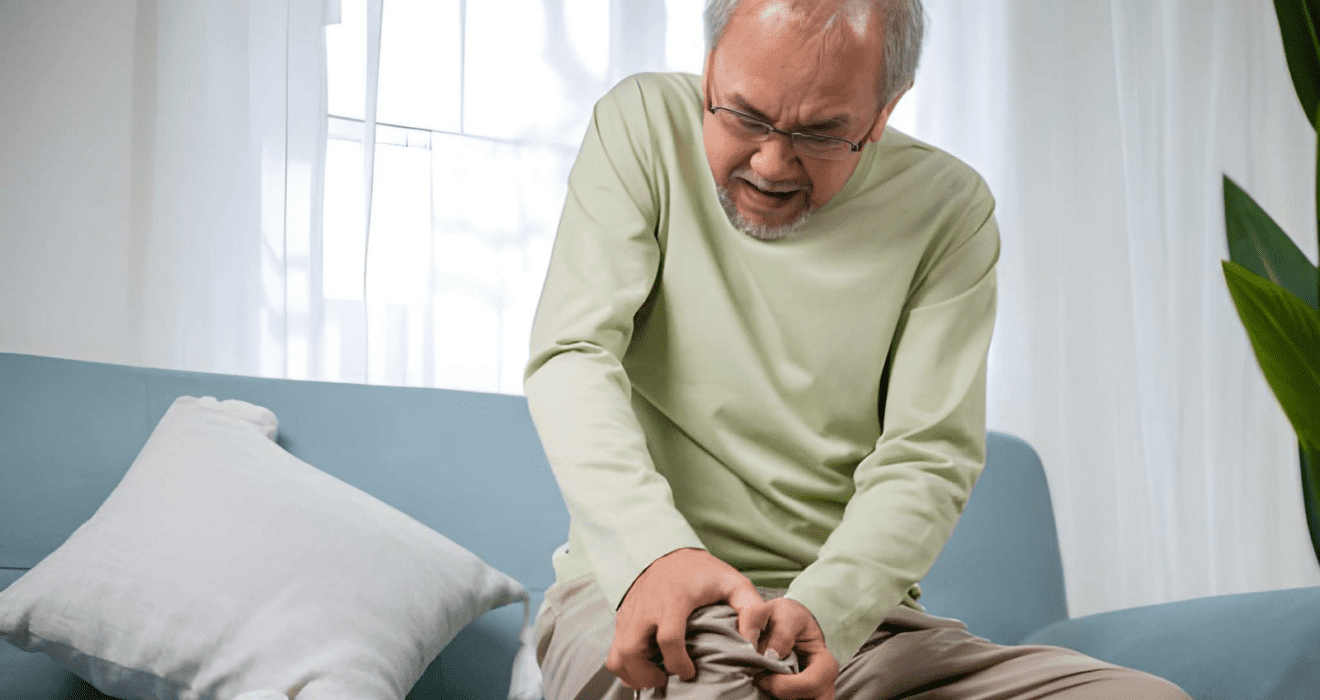
Knee pain after the age of 50 is one of the most common orthopedic problems seen in adults. Many people ignore early symptoms and continue daily activities until the pain becomes severe. However, timely diagnosis and proper orthopedic treatment can help prevent long-term joint damage and improve mobility.
In this article, we will explain the common causes of knee pain after 50, warning signs, treatment options, exercises, and when you should consult an orthopedic specialist in Mumbai.
Why Does Knee Pain Increase After 50?
As we age, the cartilage inside the knee joint gradually wears down. Cartilage acts like a cushion between bones. When it becomes thin or damaged, the bones start rubbing against each other, leading to pain, stiffness, and swelling.
Other factors like weight gain, lack of exercise, old injuries, and arthritis can also increase knee pain in older adults.
Common Causes of Knee Pain After 50
1. Osteoarthritis
Osteoarthritis is the most common reason for knee pain in people above 50.
It occurs due to wear and tear of the knee joint over time. Symptoms usually develop slowly and worsen gradually.
Common Symptoms:
- Knee stiffness in the morning
- Pain while climbing stairs
- Swelling around the knee
- Cracking or grinding sound
- Difficulty walking for long periods
2. Obesity and Excess Weight
Extra body weight puts additional pressure on the knee joints. Even a small increase in weight can significantly affect knee cartilage over time.
People who are overweight are at higher risk of developing arthritis and chronic knee pain.
3. Old Injuries
Previous ligament injuries, fractures, or meniscus tears may lead to knee pain later in life.
Many patients develop pain years after sports injuries or accidents due to joint degeneration.
4. Weak Muscles and Sedentary Lifestyle
Lack of physical activity weakens the muscles supporting the knee. Weak muscles increase pressure on the joint and worsen pain.
Desk jobs and prolonged sitting have also increased joint stiffness and mobility issues in adults.
5. Rheumatoid Arthritis
Unlike osteoarthritis, rheumatoid arthritis is an autoimmune disease where the immune system attacks the joints.
It may affect both knees and cause:
- Swelling
- Warmth
- Joint deformity
- Severe morning stiffness
Early treatment is important to prevent permanent joint damage.
Early Warning Signs You Should Never Ignore
Many patients delay treatment until the pain becomes unbearable. Early orthopedic consultation can prevent complications.
Watch for these symptoms:
- Persistent knee pain for more than 2 weeks
- Difficulty walking
- Knee swelling
- Pain while standing up
- Knee locking or instability
- Reduced range of motion
- Pain during stair climbing
If these symptoms continue, you should consult an orthopedic specialist.
Diagnosis of Knee Pain
An orthopedic doctor may recommend:
1. Physical Examination
The orthopedic doctor checks:
- Swelling
- Joint movement
- Tenderness
- Walking pattern
2. X-Ray
X-rays help identify:
- Arthritis
- Bone damage
- Joint space narrowing
3. MRI Scan
MRI is useful for detecting:
- Ligament injuries
- Meniscus tears
- Cartilage damage
Early diagnosis helps in planning the right treatment and avoiding surgery in many cases.
Best Treatment Options for Knee Pain After 50
Treatment depends on the cause and severity of pain.
1. Medications
Doctors may prescribe:
- Pain relief medicines
- Anti-inflammatory drugs
- Calcium and Vitamin D supplements
However, long-term self-medication should be avoided.
2. Physiotherapy
Physiotherapy strengthens the muscles around the knee and improves flexibility.
Benefits include:
- Reduced pain
- Better movement
- Improved balance
- Less stiffness
Regular physiotherapy can delay the progression of arthritis.
3. Weight Management
Reducing body weight decreases stress on knee joints.
Even losing 5–7 kg can significantly reduce knee pain and improve mobility.
A healthy diet combined with regular walking helps maintain joint health.
4. Lifestyle Changes
Simple lifestyle modifications can help:
- Avoid prolonged sitting
- Use supportive footwear
- Avoid squatting for long periods
- Use handrails while climbing stairs
These changes reduce strain on the knees.
5. Knee Injections
In some patients, orthopedic specialists may recommend:
- Lubrication injections
- PRP therapy
- Steroid injections
These treatments may provide temporary relief and improve joint movement.
6. Knee Replacement Surgery
When severe arthritis causes constant pain and difficulty walking, knee replacement surgery may be required.
Modern joint replacement techniques are safer and allow faster recovery.
Surgery may be recommended if:
- Pain affects daily life
- Medicines no longer help
- Walking becomes difficult
- Sleep is disturbed due to pain
An orthopedic surgeon evaluates whether surgery is necessary based on clinical examination and imaging.
Best Exercises for Knee Pain
Regular low-impact exercises help strengthen the knee joint.
Recommended Exercises
1. Straight Leg Raises
Helps strengthen thigh muscles.
2. Hamstring Stretch
Improves flexibility and reduces stiffness.
3. Walking
Daily walking improves circulation and joint mobility.
4. Cycling
Low-impact exercise beneficial for knee joints.
Avoid high-impact activities like jumping or running on hard surfaces if you already have arthritis.
Can Knee Pain Be Prevented?
Yes, early preventive care can reduce the risk of severe arthritis.
Prevention Tips:
- Maintain healthy weight
- Stay physically active
- Strengthen leg muscles
- Avoid smoking
- Treat injuries early
- Get regular orthopedic checkups
Prevention is always better than surgery.
When Should You Visit an Orthopedic Doctor?
You should visit an orthopedic clinic in mumbai if:
- Knee pain persists for several weeks
- Swelling increases
- You experience difficulty walking
- Home remedies are not helping
- Pain affects your daily activities
Timely diagnosis and treatment can prevent long-term joint damage and improve recovery outcomes.
At Alpha Ortho Clinic, patients receive advanced orthopedic care from a team of experienced specialists focused on joint pain, arthritis, sports injuries, knee replacement, and rehabilitation treatments.
Our expert orthopedic team includes:
- Dr. Anmol R.S. Mittal – Experienced orthopedic surgeon specializing in joint replacement, knee pain management, arthritis treatment, and advanced orthopedic procedures. Dr. Mittal focuses on personalized treatment plans to improve mobility and long-term joint health.
- Dr. Dhirav Shah – Specializes in sports injuries, arthroscopy, ligament injuries, fracture management, and minimally invasive orthopedic treatments aimed at faster recovery and improved movement.
- Dr. Deepak Jain – Expert in orthopedic trauma care, chronic joint pain management, rehabilitation, and comprehensive orthopedic treatment for patients experiencing mobility and musculoskeletal problems.
At Alpha Ortho Clinic, our orthopedic specialists work together to provide accurate diagnosis, non-surgical treatments, physiotherapy guidance, and advanced surgical care for patients suffering from chronic knee pain and orthopedic conditions.
If knee pain is affecting your daily life, early consultation with an experienced orthopedic doctor can help prevent long-term complications and improve recovery outcomes.
Conclusion
Knee pain after 50 should never be ignored. Early diagnosis, proper orthopedic treatment, physiotherapy, and healthy lifestyle habits can help reduce pain and improve mobility.
Whether the problem is arthritis, muscle weakness, old injury, or joint degeneration, timely orthopedic care can prevent complications and improve quality of life.
If you are experiencing persistent knee pain, consult the orthopedic specialists at Alpha Ortho Clinic for accurate diagnosis and personalized treatment options.
FAQ About Knee Pain After 50
1. Is knee pain after 50 normal?
Ans – Mild knee stiffness and occasional discomfort may occur with aging, but persistent knee pain is not considered normal. Continuous pain, swelling, or difficulty walking may indicate arthritis, cartilage damage, or other orthopedic conditions that require proper knee pain treatment and orthopedic evaluation.
At Alpha Ortho Clinic, our orthopedic specialists provide advanced knee pain treatment, arthritis assessment, digital imaging, and personalized treatment plans for patients suffering from chronic knee pain after 50.
2. Can arthritis be cured completely?
Ans – Arthritis cannot always be completely cured, especially age-related osteoarthritis. However, early knee pain treatment and orthopedic care can help slow disease progression, reduce pain, improve mobility, and maintain joint function.
At Alpha Ortho Clinic, our arthritis and knee pain treatment specialists offer non-surgical arthritis management, physiotherapy guidance, pain management therapies, joint preservation treatments, and advanced knee replacement solutions for severe arthritis cases.
3. Is walking good for knee pain?
Ans – Yes, moderate walking and low-impact exercises can help improve joint movement, muscle strength, and blood circulation around the knee joint. However, excessive walking during severe pain or advanced arthritis may worsen symptoms and require professional knee pain treatment.
The orthopedic and rehabilitation team at Alpha Ortho Clinic helps patients with customized exercise programs, physiotherapy plans, and personalized knee pain treatment designed specifically for arthritis recovery and long-term mobility improvement.
4. Can arthritis be cured completely?
Ans – Knee replacement surgery may be recommended when severe arthritis causes constant pain, stiffness, reduced mobility, and difficulty performing daily activities despite medications, injections, physiotherapy, and conservative knee pain treatment methods.
At Alpha Ortho Clinic, our joint replacement and knee pain treatment specialists carefully evaluate every patient using advanced diagnostic techniques before recommending surgery. Our team focuses on minimally invasive procedures, faster recovery, pain management, and long-term mobility improvement for patients with advanced knee arthritis.