Sports Injury Treatment: Causes, Symptoms, Recovery
Whether you’re a professional athlete, a weekend cricket player, a gym enthusiast, or someone who enjoys staying active, sports injuries can happen unexpectedly. A sudden twist, awkward landing, direct impact, or overuse of muscles and joints can lead to injuries that affect your performance and daily routine.
Many people assume a sports injury is “just a sprain” and continue exercising despite pain. Unfortunately, ignoring an injury can make it worse, leading to ligament tears, cartilage damage, joint instability, or prolonged recovery.
At Alpha Ortho Orthopedic Clinic, our orthopedic specialists focus on accurate diagnosis, personalized treatment, and structured rehabilitation to help patients recover safely and return to their active lifestyle.
What Is a Sports Injury?
A sports injury is damage to a bone, muscle, ligament, tendon, cartilage, or joint that occurs during sports, exercise, or other physical activities. These injuries may happen suddenly (acute injuries) or develop gradually due to repetitive stress (overuse injuries).
Sports injuries can affect anyone not just professional athletes. Children, fitness enthusiasts, runners, cyclists, office workers who exercise occasionally, and senior citizens can also experience them.
Common Causes of Sports Injuries
Sports injuries often result from one or more of the following:
- Inadequate warm-up before exercise
- Poor exercise technique
- Sudden twisting or pivoting movements
- Muscle weakness
- Overtraining
- Lack of flexibility
- Wearing inappropriate footwear
- Direct falls or collisions
- Returning to sports before complete recovery
Understanding the cause of an injury is essential for effective treatment and preventing recurrence.
Common Types of Sports Injuries
1. Ligament Injuries
Ligaments connect bones and stabilize joints. Sports involving sudden changes in direction—such as football, badminton, basketball, and cricket—can cause ligament injuries.
Common ligament injuries include:
- ACL Tear
- MCL Injury
- PCL Injury
- LCL Injury
Symptoms may include swelling, instability, and difficulty bearing weight.
2. Meniscus Tear
The meniscus acts as a cushion inside the knee joint. Twisting the knee while the foot remains planted can cause a tear.
Common symptoms:
- Knee locking
- Swelling
- Pain while squatting
- Clicking sensation
3. Muscle Strain
A muscle strain occurs when muscle fibers are overstretched or torn.
Frequently affected muscles include:
- Hamstrings
- Quadriceps
- Calf muscles
- Groin muscles
4. Tendon Injuries
Overuse can inflame tendons, resulting in conditions such as:
- Tennis Elbow
- Golfer’s Elbow
- Patellar Tendinitis
- Achilles Tendinitis
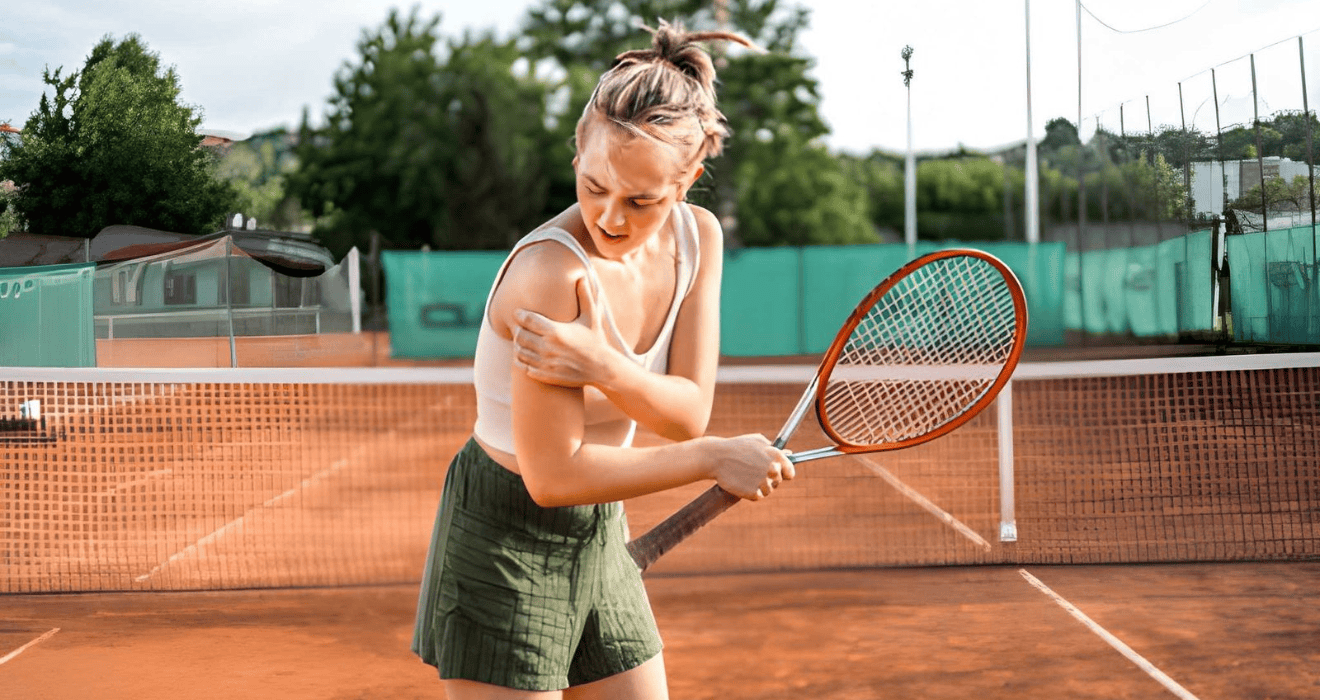
5. Shoulder Injuries
Sports involving throwing, swimming, tennis, or weightlifting commonly lead to:
- Rotator Cuff Injury
- Shoulder Dislocation
- Shoulder Impingement
- Labral Injury
6. Ankle Sprains
Ankle sprains are among the most common sports injuries. They occur when ligaments around the ankle stretch or tear due to sudden twisting.
7. Stress Fractures
Repeated impact activities like running can cause tiny cracks in bones known as stress fractures.
Symptoms You Should Never Ignore
- Severe pain
- Rapid swelling
- Joint instability
- Inability to bear weight
- Reduced range of motion
- Persistent pain after activity
- Clicking or locking joints
- Visible deformity
- Recurrent injuries
Ignoring these symptoms may delay recovery and increase the risk of long-term complications.
Conservative (Non-Surgical) Treatment
Many sports injuries recover with:
- Activity modification
- Rest
- Ice therapy
- Compression
- Elevation (RICE)
- Doctor-prescribed medication
- Physiotherapy
- Strengthening exercises
- Balance and mobility training
- Gradual return-to-sport program
Following the rehabilitation plan consistently is essential for optimal recovery.
Surgical Treatment
urgery may be recommended for:
- Complete ligament tears
- Complex meniscus tears
- Recurrent shoulder dislocations
- Certain fractures
- Severe tendon injuries
Modern minimally invasive procedures, such as arthroscopy, can help treat many sports injuries while supporting faster rehabilitation when appropriate.
Why Choose Alpha Ortho Orthopedic Clinic?
At Alpha Ortho Orthopedic Clinic, patients receive individualized orthopedic care based on the latest clinical practices.
Our approach includes:
- Comprehensive orthopedic evaluation
- Advanced diagnostic support
- Personalized treatment plans
- Non-surgical management whenever appropriate
- Modern arthroscopic procedures
- Sports rehabilitation guidance
- Patient-focused care from experienced orthopedic surgeons
Our goal is not only to relieve pain but also to help patients safely return to their daily activities and sports.
Meet Our Orthopedic Specialists
Dr. Anmol R.S. Mittal
Dr. Anmol R.S. Mittal specializes in knee, hip, shoulder disorders, arthroscopy, sports injuries, and joint preservation procedures. He focuses on accurate diagnosis, minimally invasive techniques where appropriate, and personalized treatment plans.
Dr. Dhirav Shah
Dr. Dhirav Shah has expertise in trauma care, fractures, sports injuries, knee conditions, and shoulder disorders. His patient-centered approach emphasizes restoring mobility, reducing pain, and supporting long-term recovery.
FAQ About 7 Warning Signs You Need an Orthopedic Doctor
1. Can sports injuries heal without surgery?
Ans –
The most common sports injuries include ankle sprains, ligament tears such as ACL injuries, muscle strains, meniscus tears, rotator cuff injuries, tennis elbow, and stress fractures. These injuries can occur during sports, gym workouts, running, or even recreational activities. Early diagnosis by an orthopedic specialist helps prevent long-term joint damage and ensures a faster, safer recovery.
2. How soon should I see an orthopedic specialist after a sports injury?
Ans –
You should consult an orthopedic doctor if you experience severe pain, swelling, difficulty walking, joint instability, limited movement, or if your symptoms do not improve within 24–48 hours after rest. Delaying treatment may increase the risk of further damage to ligaments, tendons, cartilage, or bones, making recovery more complicated.
3. Can sports injuries heal without surgery?
Ans –
Yes. Many sports injuries, including mild ligament sprains, muscle strains, tendon inflammation, and minor cartilage injuries, can often be managed without surgery. Treatment may include activity modification, physiotherapy, medications prescribed by your doctor, bracing when required, and a structured rehabilitation program. However, complete ligament tears, complex fractures, or severe meniscus injuries may require surgical intervention after a detailed orthopedic evaluation.
4. How long does it take to recover from a sports injury?
Ans –
Recovery time depends on the type and severity of the injury. Mild muscle strains may improve within a few weeks, while ligament injuries, fractures, or tendon tears can take several months. Following your orthopedic specialist’s advice, attending physiotherapy sessions, and avoiding an early return to sports are essential for complete healing and reducing the risk of re-injury.
5. Can I continue exercising after a sports injury?
Ans –It is generally not advisable to continue exercising through pain without knowing the exact cause of the injury. Continuing strenuous activities may worsen ligament tears, muscle injuries, or cartilage damage. An orthopedic evaluation helps determine when it is safe to resume exercise and what modifications are needed during recovery.
6. Why choose Alpha Ortho Orthopedic Clinic for sports injury treatment?
Ans –At Alpha Ortho Orthopedic Clinic, patients receive comprehensive orthopedic care from experienced specialists, including Dr. Anmol R.S. Mittal and Dr. Dhirav Shah From accurate diagnosis and advanced imaging to personalized treatment plans, minimally invasive procedures where appropriate, and structured rehabilitation, our goal is to help every patient recover safely and return to an active, pain-free lifestyle.