
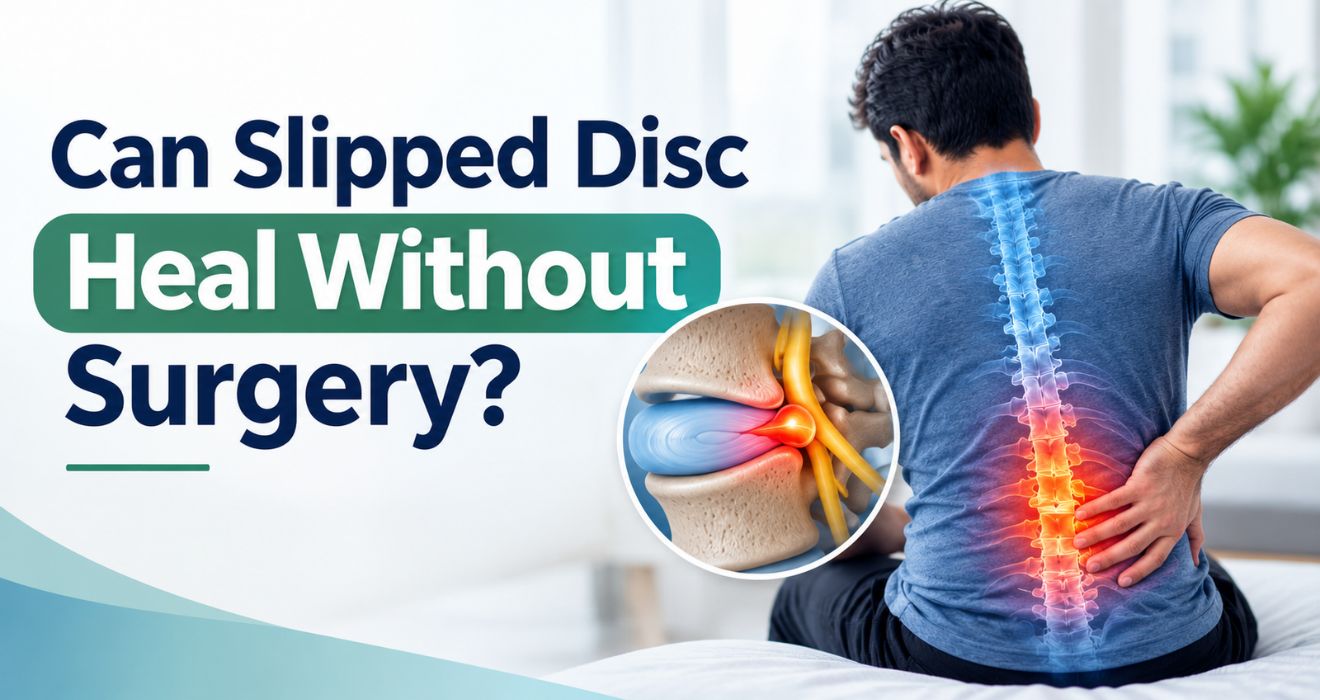
Can Slipped Disc Heal Without Surgery?
A slipped disc on an MRI does not automatically mean you need an operation. In fact, many people with a slipped disc recover with the right non-surgical treatment. The key is understanding what is causing your symptoms, whether a nerve is affected and which treatment is suitable for your condition.
At Alpha Ortho clinic, we believe patients should understand their treatment options before making a decision about surgery. Let’s look at how slipped disc treatment without surgery can help, which treatment options are available and when you should consult a spine doctor.
Can Slipped Disc Cure Without Surgery?
The answer is YES, Most people with a slipped disc can get better without an operation. But it is important to know how much time recovery may take and which treatments can help without surgery. This helps patients make the right decisions for their spine health.
If you want to know more about the treatment options, read our guide on Slipped Disc Treatment in Mumbai. It explains treatments without surgery and also explains when surgery may be needed.
What Is a Slipped Disc?
Spine is made up of small bones called vertebrae. Between these bones are soft discs that act like cushions. They help absorb pressure and allow your back to move comfortably. A slipped disc happens when the soft inner part of a disc pushes through its outer layer. Spine Specialist also call this a herniated disc or prolapsed disc.
Some people have a slipped disc without even knowing it. But when the disc puts pressure on a nearby nerve, it can lead to back pain, tingling, numbness or weakness in the muscles.
Important Things to Know :
At Alpha Ortho clinic, we believe it is important for patients to understand their treatment options before deciding whether surgery is needed.
Can a slipped disc heal without surgery? Yes, many people recover without surgery. Treatment may include medicines, physiotherapy and changes to daily activities. Some medical sources report that around 80%–90% of people improve without surgery, but this percentage should be verified before publishing.
How long does recovery take? Recovery is different for everyone. Some people start feeling better within a few weeks, while others may need more time, depending on their symptoms and condition.
What treatments can help? Depending on your condition, our doctors may recommend medicines, physiotherapy and simple changes to your daily routine.
When should you seek medical help? If you have new problems controlling your bladder or bowel, numbness around the groin, or rapidly worsening leg weakness, seek emergency medical care immediately.
Does every slipped disc need surgery? No, surgery is not necessary for every slipped disc. Many people improve with non-surgical treatment. If your symptoms continue or you develop serious nerve-related problems, our doctors can guide you about the next steps.
Do All Slipped Discs Need Surgery? Here's the Truth
Not Every Slipped Disc Needs an Operation
A slipped disc does not always mean surgery is the only option. Many people experience relief through the right treatment and regular care. In fact, research suggests that around 80% to 90% of people with herniated discs improve without an operation. Depending on the condition, non-surgical treatment may help manage pain, improve movement, and support recovery over time.
Every patient’s recovery journey is different. While some people feel better within a few weeks, others may need a longer period of treatment and rehabilitation. Experienced spine specialist doctors check the patient’s symptoms, MRI reports, and how well the treatment is working before suggesting surgery. Many patients can first try non-surgical treatment for a few weeks to see if their condition improves. If the pain gets worse or the patient develops increasing weakness or other nerve-related symptoms, they should seek medical attention without delay.
What Are the Treatment Options for a Slipped Disc Without Surgery?
Treating a slipped disc without surgery involves more than just taking medicines and waiting for the pain to go away. The aim is to reduce pain, make everyday movements easier, and give the affected area time to recover. The right treatment depends on the patient’s symptoms and how much the disc is affecting their daily life.
Physical Therapy and Exercise :
Physical therapy is often an important part of slipped disc treatment. A physiotherapist may suggest specific exercises to strengthen the muscles around the spine, improve flexibility, and make movement more comfortable. The exercises are chosen according to the patient’s condition, as the same routine may not work for everyone with a herniated disc.
For more information, you can read this blog to slipped disc causes, symptoms, and treatment.
Medicines and Pain Relief :
When a slipped disc causes back pain or irritation around the nerves, medicines may help control the symptoms. Doctors may prescribe anti-inflammatory medicines to reduce pain and swelling, while muscle relaxants may be used for painful muscle spasms when needed. In some cases, an epidural steroid injection may also be considered to help relieve inflammation around the affected nerves.
The treatment depends on the severity of the symptoms, so medicines and injections should only be used on a doctor’s advice.
Making Small Changes to Daily Activities :
The way you sit, stand, bend, and lift things can affect your back pain. Staying in bed for long periods is usually not recommended, as too little movement can make it harder to regain strength and flexibility. Instead, try to stay gently active within your comfort level and avoid movements that make the pain worse.
A physiotherapist can also show you how to move safely during everyday activities. These small changes, along with the right non-surgical treatment for a slipped disc, may help improve mobility and support recovery without an operation.
How Long Does Slipped Disc Recovery Take?
In the first 4-6 weeks, the primary objective will be to minimize pain and inflammation. Most patients begin to notice improvement during this time, although not necessarily every day. It’s common to have some days that feel more painful than others. Between 6 weeks and 3 months, the focus shifts towards building strength and making everyday movements easier. The sharp pain may gradually settle, although some discomfort can remain. Following the recommended exercise routine regularly can help improve movement and support recovery.
However, if the pain is still affecting the patient’s activities of daily living even after 3 to 6 months of conservative management, the spine surgeons at Alpha Ortho Clinic can evaluate the patient and see if surgery may be necessary.
When Is Surgery Needed for a Slipped Disc?
A slipped disc (herniated disc) does not always require surgery. Most people improve with medicines, physiotherapy, activity modification, and time. Surgery is usually considered when the disc presses on a nerve and causes persistent pain, weakness, or serious nerve-related problems.
1. Severe or persistent pain
Pain radiating from the lower back down the leg (sciatica) continues despite around 6–12 weeks of appropriate non-surgical treatment, and it significantly affects walking, sleeping, or daily activities.
2. Muscle weakness or worsening nerve damage
Weakness in the leg or foot, difficulty lifting the front of the foot (foot drop), or worsening neurological symptoms may require early surgical assessment.
3. Emergency nerve compression
A large disc herniation can compress the nerves responsible for bladder, bowel, and leg function. This is uncommon but can be an emergency.
Spine Specialists at Alpha Ortho clinic
Finding the right spine Surgeon near you is easier with Alpha Ortho clinic. Our spine specialists are available across Kandivali, Vile Parle, Vashi, Panvel, Dombivli and Lalbaug, so you can visit the centre that is convenient for your consultation, follow-up appointments and ongoing spine care.
Our Spine Surgeons :
Our spine surgery team includes Dr. Yogin Patel, Dr. Gaurav Ranglani, Dr. Ashish Naik and Dr. Pratik Bhujbal. Our doctors have experience in treating different spine conditions, with expertise in minimally invasive spine surgery, endoscopic spine surgery, spine deformity surgery and complex spine problems.

Dr. Yogin Patel is a consultant spine surgeon with 10+ years of experience in endoscopic and minimally invasive spine surgery. He has advanced training in spine surgery and treats a range of spine conditions, including complex spine problems, slipped discs and nerve-related conditions. He provides both surgical and non-surgical spine care based on the patient’s condition.

Dr. Gaurav Ranglani is a consultant spine orthopaedic surgeon and interventional pain specialist with 10+ years of experience in complex spinal disorders, minimally invasive spine care, rehabilitation and image-guided pain procedures.

Dr. Ashish Naik is a consultant spine surgeon with 10+ years of experience in minimally invasive and endoscopic spine surgery. He also specialises in spine deformity surgery and treats a range of back, neck and other spine-related problems.

Dr. Pratik Bhujbal is a consultant orthopaedic spine surgeon with 10+ years of experience in minimally invasive and endoscopic spine surgery. He treats conditions such as lumbar disc problems, nerve compression, sciatica, spinal stenosis and degenerative spine conditions.
Frequently Asked Questions
Can a slipped disc heal without surgery?
Yes, a slipped disc can often improve without surgery. Many patients experience relief with appropriate medication, physiotherapy, activity modification, and guided exercises. In some cases, the herniated disc material may gradually shrink over time. At Alpha Ortho Clinic, treatment is recommended based on the patient’s symptoms, clinical examination, and diagnostic findings.
What are the common symptoms of a slipped disc?
Common symptoms of a slipped disc include lower back or neck pain, pain radiating into the arms or legs, numbness, tingling, and muscle weakness. Some patients may experience sciatica, which causes pain travelling from the lower back down one leg. Symptoms depend on the location and severity of the disc herniation.
What causes a slipped disc?
A slipped disc usually occurs when the soft inner portion of a spinal disc pushes through its outer layer. Common contributing factors include age-related disc degeneration, repetitive bending or twisting, improper lifting techniques, sudden injuries, excess body weight, and prolonged strain on the spine. Sometimes, a disc herniation develops without a specific injury.
When is surgery needed for a slipped disc?
Surgery may be recommended when severe pain persists despite approximately 6–12 weeks of appropriate non-surgical treatment, when symptoms significantly affect daily activities, or when there is progressive muscle weakness or significant nerve compression. Emergency surgery may be necessary in cases involving symptoms such as loss of bladder or bowel control or numbness around the private parts. The decision depends on the patient’s condition and specialist assessment.
How long does a slipped disc take to heal?
Many patients experience noticeable improvement within 6–12 weeks, although recovery varies depending on the severity of the disc herniation, nerve involvement, and overall health. Some patients may take several months to recover fully. Persistent or worsening symptoms should be evaluated by a spine specialist.
Can physiotherapy help treat a slipped disc?
Yes, physiotherapy can help reduce pain, improve mobility, strengthen supporting muscles, and restore daily function. A physiotherapist may recommend specific exercises, posture correction, and movement techniques according to the patient’s condition. Exercises should be performed under professional guidance, especially when pain radiates into the arms or legs.
Is walking good for a slipped disc?
Gentle walking is generally beneficial for many people with a slipped disc because it helps maintain mobility and prevents prolonged inactivity. Start with short walks and gradually increase the duration as tolerated. Avoid activities that worsen the pain, and consult a healthcare professional if walking causes significant symptoms or weakness.
Can a slipped disc cause leg pain and numbness?
Yes, a slipped disc in the lower back can press on or irritate nearby spinal nerves, causing pain, tingling, numbness, or weakness in the buttocks and legs. This is commonly associated with sciatica. New or worsening weakness requires quick medical assessment, while bladder or bowel problems or numbness around the private parts require emergency evaluation.
Is a slipped disc a serious condition?
A slipped disc is often manageable with non-surgical treatment, but its seriousness depends on the degree of nerve compression and the symptoms it causes. Mild cases may improve with conservative care, while severe nerve compression can lead to significant weakness or permanent nerve damage if not treated appropriately. A medical evaluation helps determine the right course of treatment.
Can a slipped disc happen again after recovery?
Yes, a slipped disc can recur, either at the same spinal level or at another level. Maintaining a healthy weight, staying physically active, strengthening the core muscles, using proper lifting techniques, and avoiding repeated excessive spinal strain may help reduce the risk. However, recurrence cannot always be prevented.
When should I consult a spine doctor for a slipped disc?
Consult a spine doctor if back or neck pain persists, radiates into an arm or leg, causes numbness or tingling, or interferes with daily activities. Seek prompt medical assessment for new or worsening muscle weakness. If you experience difficulty urinating, loss of bladder or bowel control, or numbness around the private parts, seek emergency medical care immediately.
Is bed rest recommended for a slipped disc?
Prolonged bed rest is generally not recommended for a slipped disc because it may contribute to muscle weakness and stiffness. Most patients benefit from maintaining gentle daily activities within their comfort level, alongside appropriate treatment. Brief rest may help during severe pain, but the right activity level should be guided by a healthcare professional.
Can exercises make a slipped disc worse?
Yes, certain exercises or movements may aggravate symptoms if they place excessive strain on the affected spinal area. Heavy lifting, forceful twisting, and exercises that increase radiating pain should be avoided until assessed. A tailored exercise programme designed by a physiotherapist or spine specialist can help improve strength and flexibility safely.
How is a slipped disc diagnosed?
A slipped disc is diagnosed through a medical history, physical examination, and assessment of nerve function, muscle strength, sensation, and reflexes. An MRI may be recommended when symptoms are persistent, significant nerve compression is suspected, or surgery is being considered. Imaging findings are interpreted alongside the patient’s symptoms and clinical examination.
What are the non-surgical treatment options for a slipped disc?
Non-surgical treatment options may include prescribed pain-relief medication, physiotherapy, guided exercises, activity modification, and selected spinal injections when appropriate. The treatment plan depends on the location and severity of the disc herniation and the patient’s overall health. Many patients improve without requiring surgery.
Can a slipped disc cause permanent nerve damage?
In some cases, severe or prolonged nerve compression can cause lasting nerve damage, including persistent numbness, weakness, or loss of function. However, not every slipped disc causes nerve damage, and many patients recover well with appropriate treatment. Progressive weakness or symptoms affecting bladder or bowel function require urgent medical attention.
What is the difference between a slipped disc and a bulging disc?
A bulging disc occurs when the disc extends beyond its usual boundaries over a broader area, while a herniated disc occurs when disc material protrudes through a weakened or damaged part of the outer layer. Both conditions can be associated with age-related changes and may or may not cause symptoms. Treatment depends on the patient’s symptoms and whether nerves are affected.
Can lifestyle changes help prevent a slipped disc?
Lifestyle changes may help support spinal health and reduce the risk of disc-related problems. These include regular physical activity, strengthening the core muscles, maintaining a healthy weight, practising proper lifting techniques, avoiding smoking, and taking breaks from prolonged sitting. Although these habits are beneficial, they cannot guarantee that a slipped disc will be prevented.
Is surgery the only option for severe slipped disc pain?
No, surgery is not the only treatment option for severe slipped disc pain. Depending on the patient’s condition, treatment may include medication, physiotherapy, activity modification, and selected pain-management procedures. Surgery may be considered when symptoms remain disabling despite appropriate treatment or when significant nerve compression or progressive weakness is present. Emergency symptoms require immediate assessment.
Which specialist should I consult for a slipped disc?
Consult an orthopaedic spine surgeon for a slipped disc. At Alpha Ortho Clinic, our spine specialists offer personalised treatment, including non-surgical care and surgery when needed, based on your condition.